The official schedules, side by side
Here is what each brand says, as printed on its product page on November 12, 2026:
- Solawave Wrinkle Retreat Pro: 3 minutes, 3 to 5 times a week.
- Qure Q-Rejuvalight Pro: 3 minutes, daily, after cleansing.
- DRx SpectraLite FaceWare Pro: 3 minutes, automatic shut-off.
- Shark CryoGlow: 6 minutes (Better Aging), 8 (Skin Clearing), 4 (Skin Sustain).
- TheraFace Mask: 3 to 9 minutes; Therabody's study used 9 minutes daily.
- Omnilux Contour Face and Men: 10 minutes, 3 to 5 times a week for 4 to 6 weeks, then maintenance.
- Omnilux Clear: 10 minutes, 4 times a week for 6 weeks, then at the first sign of a breakout.
- CurrentBody Series 2 and Series 3: 10 minutes, 3 to 5 times a week.
- HigherDOSE: 10 or 20 minutes, 3 to 5 times a week.
- TheraFace Mask Glo: a 12-minute routine; the study used it daily.
- Celluma Mystique: 30 minutes; Celluma's examples use 2 to 3 sessions a week.

Why more isn't better
It's tempting to think two sessions a day will get you there twice as fast. Brands design their schedules around a dose: the light power (mW/cm²) multiplied by the time. Solawave, for example, says its 3-minute session delivers 11.7 J/cm², and CurrentBody says "10 minutes of use, 3 to 5 times a week is the optimal session length for the device's power output".
The AAD's red light page lists "what is the optimal number of treatments" and "the safest and most effective amount of red light to use at home" among the questions research hasn't answered yet. With that much unknown, the sensible move is to follow the device's directions, not to improvise.
How long until you can judge
Brands give timelines between 4 and 8 weeks: Solawave "as little as 30 days", Omnilux from 4 weeks, CurrentBody and Therabody 8 weeks, Omnilux Clear 6 weeks for acne. That's 12 to 40 sessions before a fair verdict.
Two practical tips: take a dated photo every two weeks in the same light, and note your sessions in your phone's calendar. If you can't keep three a week by week three, a shorter-session mask will serve you better. That's partly why our ranking favors the 3-minute masks.
Video: "LED Light Therapy At-Home Devices: How Do They Work? | Dr. Shereene Idriss", Dr. Shereene Idriss on YouTube. Not made by us; chosen because it shows the device or the topic clearly.
Fitting it into a real week
What works for most people is anchoring the mask to something you already do:
- Morning coffee for 3-minute masks: on, kettle, off.
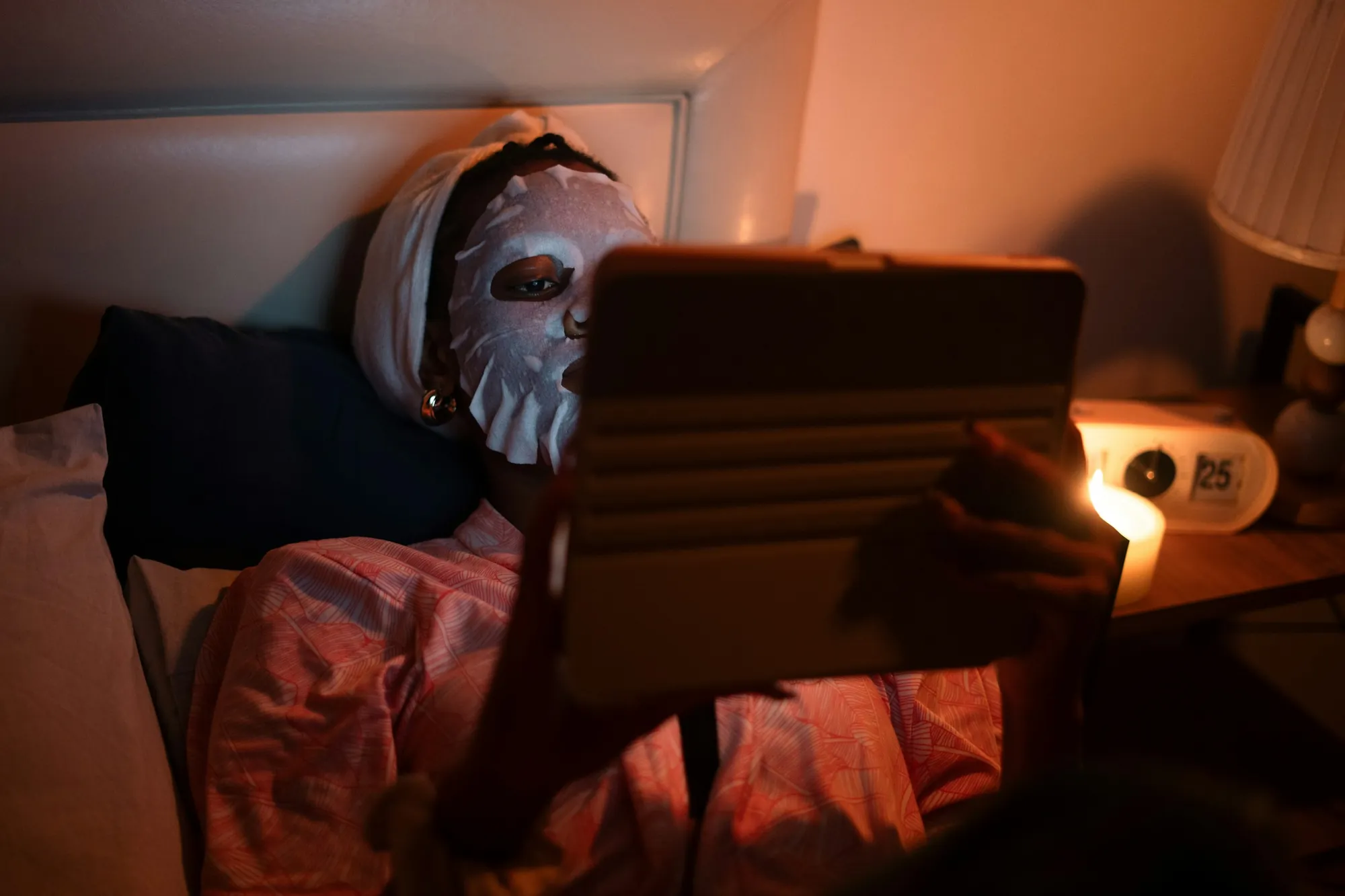
- The evening show for 10-minute masks. CurrentBody's eye inserts and Omnilux's "no goggles needed" make it easier to keep watching.
- A podcast walk around the flat for cordless masks like the TheraFace or Qure.
Cleanse first and keep skin dry, because most brands want clean skin under the light. Apply serums after unless your brand says otherwise.
Missed sessions, travel and breaks
Life happens. A missed session is not a reason to double up the next day: brands set their schedules per day and per week, not as a quota to catch up on. Just pick the normal rhythm back up.
For travel, masks with the battery built in are the easiest to pack: the Qure Q-Rejuvalight Pro, the TheraFace Mask and Mask Glo, the DRx SpectraLite FaceWare Pro and the Celluma Mystique. Omnilux, CurrentBody, Solawave, HigherDOSE and Shark run from a battery controller on a cable, which is fine on a sofa and a bit fiddlier in a hotel bed. Check the charger in the box before you leave; Omnilux lists plug adapters in its kit.
Brands don't say how long a break you can take. If you stop for more than a few weeks, a sensible approach is to go back to the brand's starting schedule for a while before you return to maintenance. When in doubt, ask the brand: it's a fair question before you buy, too.
Where it fits with the rest of your routine
Most brands want clean, dry skin under the light; Qure says to use its mask after cleansing. Put serums and moisturizer on afterwards unless your brand pairs a specific product with the light, like Solawave's LightBoost serums or HigherDOSE's Light-Activated serum (both optional, per the brands).
If you use retinoids, exfoliating acids or any prescription that makes your skin more sensitive to light, ask your dermatologist how to time your sessions. Photosensitizing medication is on the warning lists brands print, Solawave's included. And keep wearing sunscreen in the daytime: an LED mask doesn't replace it.
After the first two months
Most brands move to "maintenance" after the first phase without a fixed rule; Omnilux says "maintenance as desired", Omnilux Clear "at the first signs of a breakout". A common pattern is two or three sessions a week. The AAD notes that dermatologists often suggest home devices precisely for this: to maintain results after in-office treatments.
If you stop completely, expect results to fade over time; light therapy is a habit, not a one-off. That's why we look at cost per session over two years when we score price.
The masks in this guide, side by side
| Mask | |||
|---|---|---|---|
| Price | $399 | $455 | $249 |
| Cost per session (2 years, 4 a week) | $0.96/session | $1.09/session | $0.60/session |
| Kinds of light | amber/yellow, red, near-infrared | blue, amber/yellow, red, near-infrared | blue, amber/yellow, red, near-infrared |
| LEDs | 320 LEDs | 100 LEDs | 160 LEDs |
| Session | 3 min | 3 min | 3 min |
| Fit | Flexible | Rigid shell | Not stated |
| Power | Controller | Cordless | Cordless |
| Warranty | 1-year | 1-year | 1-year |
| Returns | 100 days | 30 days | 30 days |
| Buy | See price | See price | See price |
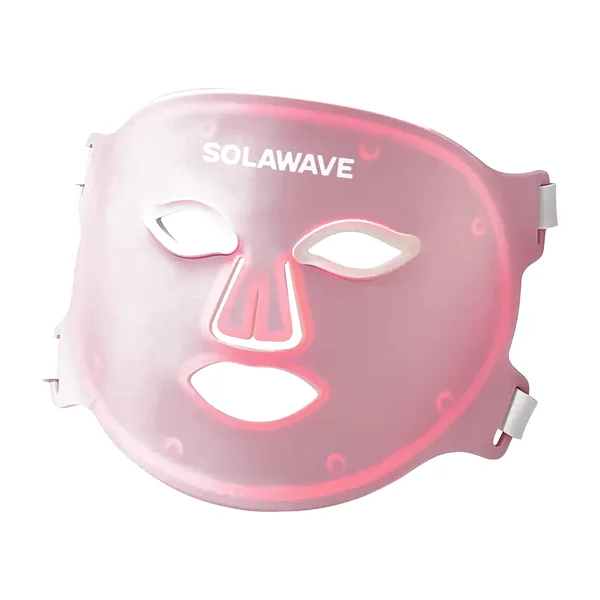
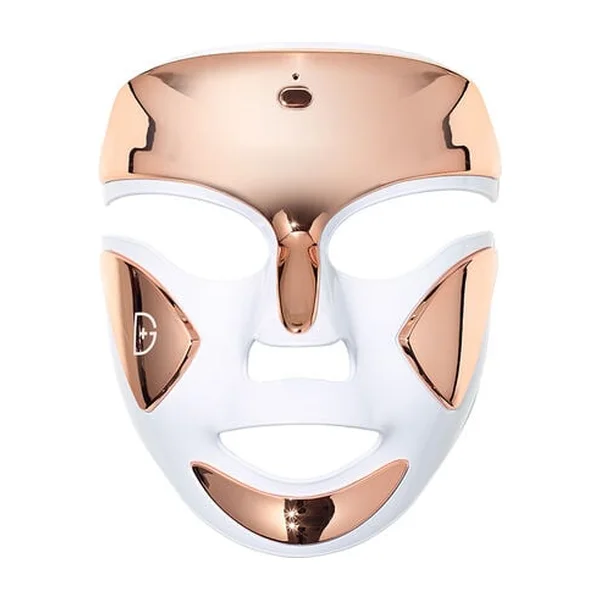
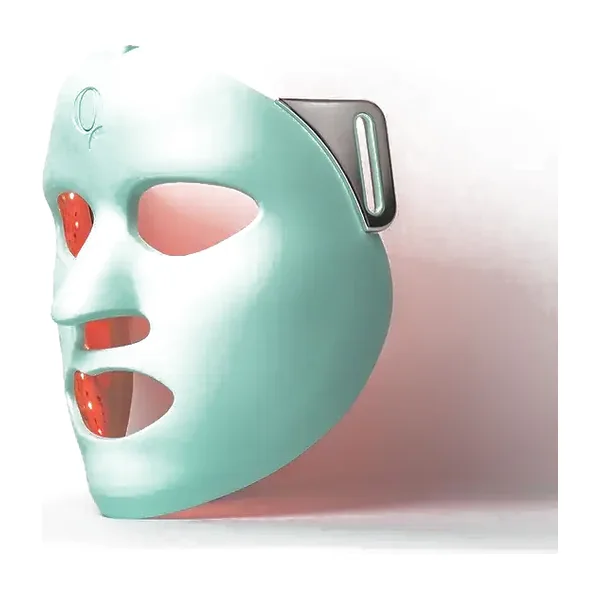
Prices checked November 12, 2026 on the brands' US stores. "Not stated" means the brand doesn't publish it. Build your own comparison.
This guide helps you buy, it isn't medical advice. If you are pregnant, have a skin or eye condition, a darker skin tone prone to dark spots, or take medication that makes you sensitive to light, talk to your doctor or a board-certified dermatologist before you start.